Generative artificial intelligence is a type of AI capable of creating new content (text, images, code, music) based on learned patterns from training data. It operates on architectures like GPT and DALL-E, using transformers and diffusion models to predict and generate sequences.
Quantum Computing: How It Will Change Cybersecurity This Decade
While most companies are just mastering cloud technologies and artificial intelligence, a new revolution is already looming on the horizon — quantum computing. Unlike classical bits, quantum bits (qubits) can exist in a state of superposition, allowing them to process colossal amounts of data simultaneously.
One of the first areas to face radical changes will be cybersecurity. Modern encryption algorithms, such as RSA and ECC, are based on the complexity of factoring large numbers — a task that requires unrealistically long time for classical computers. A quantum computer using Shor's algorithm will be able to crack such protection in a matter of hours or even minutes.
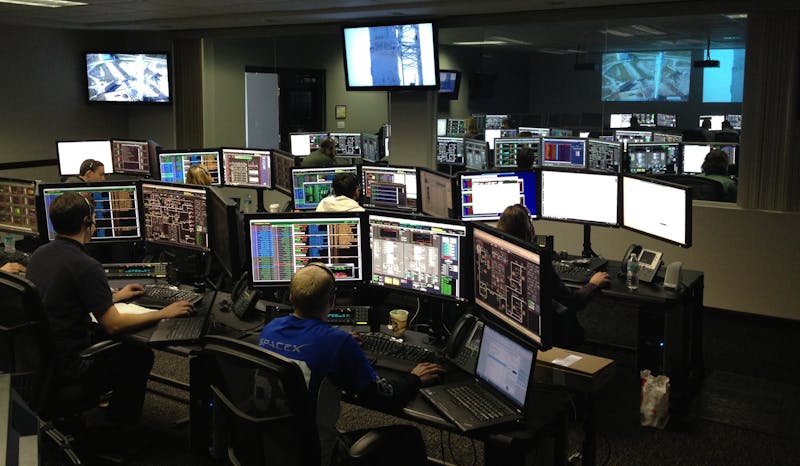
Laboratory sample of a quantum processor. Source: Pexels
However, this does not mean the collapse of all digital security. In parallel, the field of post-quantum cryptography (PQC) is developing. Scientists and engineers are creating new algorithms resistant to attacks from both classical and quantum computers. The US National Institute of Standards and Technology (NIST) is already selecting such algorithms, and the first standards are expected within the next year or two.
What does this mean for business today?
Major technology giants such as Google, IBM, and Microsoft are actively investing in the development of quantum solutions and post-quantum algorithms. For corporate IT departments, the time of "quantum readiness" is coming:
- Infrastructure audit: It is necessary to assess which systems use vulnerable encryption algorithms.
- Migration planning: Develop a roadmap for transitioning to post-quantum standards.
- Quantum key distribution (QKD): Implementation of technologies that use the laws of quantum physics for absolutely secure key transmission.
Experts agree that a full-fledged quantum computer capable of cracking RSA-2048 will not appear before the late 2020s — early 2030s. But preparation needs to start now, as updating the global IT infrastructure is a lengthy and expensive process. Those who postpone this may face serious risks to data and reputation.
The quantum era is not only about threats but also new opportunities. Quantum computers will enable the creation of fundamentally new, more complex, and secure systems for modeling, logistics, and drug discovery. The future of the digital world will be built on the symbiosis of classical and quantum technologies.